


Introduction
Have you noticed your clothes fading, shrinking, stretching or developing small holes after washing them? Your washing machine may not be the only reason, but the way you wash your clothes could be causing unnecessary damage.
Using the wrong wash cycle, overloading the machine, mixing different fabrics or ignoring clothing care labels can affect how your clothes look and feel over time.
Whether you wash clothes at home or use a professional laundry service, understanding these common mistakes can help you take better care of your garments.
Why Does a Washing Machine Damage Clothes?
Washing machines clean clothes through water, detergent, movement and spinning. While these processes are necessary for cleaning, they can also put stress on certain fabrics.
Delicate fabrics may not handle aggressive washing well, while zippers, hooks and other hard objects can catch on clothing during a wash cycle.
The good news is that many common causes of clothing damage can be avoided with a few simple changes to your laundry routine.
10 Common Washing Machine Mistakes That Can Ruin Clothes
1. Overloading the Washing Machine
Putting too many clothes into the washing machine is one of the most common laundry mistakes.
When the drum is overloaded, clothes have less space to move freely. This can increase friction and prevent water and detergent from reaching every garment properly.
Leaving enough room inside the drum can help your clothes wash and rinse more effectively.
2. Washing Heavy and Delicate Clothes Together
Jeans, towels and other heavy fabrics can create more friction during a wash cycle than lightweight garments.
Washing delicate clothes together with heavy items can increase the chances of stretching, snagging or fabric wear.
Sort your laundry according to fabric type and weight whenever possible.
3. Leaving Zippers and Hooks Open
Open zippers, hooks and fasteners can catch onto other garments during washing.
This can cause loose threads, snags or even small tears, particularly on delicate fabrics.
Close zippers and fasten hooks before putting clothes into the washing machine.
4. Choosing the Wrong Wash Cycle
Different fabrics require different levels of washing intensity.
A heavy-duty cycle may be suitable for certain heavily soiled items but can be too harsh for delicate garments.
Check the clothing care label and choose a gentle or delicate cycle when required.
5. Using Too Much Detergent
More detergent does not always mean cleaner clothes.
Using too much detergent can leave residue on fabrics and may make it harder for the washing machine to rinse clothes properly.
Follow the recommended detergent quantity for your machine and load size.
6. Washing Clothes at the Wrong Temperature
Hot water is not suitable for every type of clothing.
Some fabrics can shrink, fade or lose their shape when exposed to excessive heat.
Always check the care label before choosing a high-temperature wash.
7. Ignoring Clothing Care Labels
The care label on your clothes provides important information about how the garment should be washed, dried and ironed.
Ignoring these instructions can increase the risk of shrinking, colour fading and fabric damage.
For a detailed explanation, read our guide to laundry care symbols.
8. Washing Delicate Clothes Without Protection
Delicate garments such as lace, lingerie and lightweight fabrics may need additional protection during machine washing.
Using a suitable mesh laundry bag can help reduce direct friction and prevent smaller garments from getting caught during the wash.
For particularly delicate or expensive clothing, professional cleaning may be a safer option.
9. Ignoring a Damaged Washing Machine Drum
If your clothes repeatedly come out with small holes, snags or unexplained tears, the problem may be inside the washing machine.
A rough or damaged section of the drum can catch fabric during the washing or spinning cycle.
If the same problem keeps happening, have the machine checked instead of continuing to wash delicate clothing in it.
10. Leaving Wet Clothes Inside the Machine
Once the washing cycle is finished, avoid leaving wet clothes inside the machine for a long time.
Moisture trapped inside the drum can contribute to unpleasant odours and make clothes feel less fresh.
Remove clothes soon after the cycle ends and dry them according to their care instructions.
What Types of Clothes Need Extra Care?
Not every garment is designed to handle the same washing conditions.
Extra care may be needed for:
- Silk and delicate fabrics
- Wool and knitwear
- Lace garments
- Embroidered or embellished clothing
- Lightweight fabrics
- Premium or expensive garments
- Structured clothing
- Garments with special care instructions
Always check the care label before putting these garments into a washing machine.
How to Protect Your Clothes in the Washing Machine
A few simple habits can help reduce unnecessary wear and keep your clothes looking better for longer.
- Sort clothes before washing.
- Do not overload the machine.
- Separate heavy and delicate fabrics.
- Close zippers and fasten hooks.
- Use the appropriate wash cycle.
- Follow the recommended detergent quantity.
- Check clothing care labels.
- Use laundry bags for suitable delicate garments.
- Check pockets before starting the wash.
- Remove clothes soon after the cycle ends.
- Clean and maintain the washing machine regularly.
Common Signs That Your Washing Machine May Be Damaging Clothes
Sometimes the damage is easy to notice. Other times, fabric can slowly become weaker without an obvious problem after a single wash.
Look out for:
- Small holes or tears
- Loose threads
- Fading colours
- Stretched fabric
- Shrinking
- Fabric becoming rough or worn
- Snags around zippers or fasteners
- Clothes losing their original shape
If you notice the same type of damage repeatedly, review your washing method and check whether your machine needs maintenance.
When Should You Use Professional Laundry or Dry Cleaning?
Some garments are better handled by professionals, particularly when the fabric or construction requires specialised care.
Professional laundry or dry-cleaning services can be useful for:
- Delicate dresses
- Suits and formalwear
- Premium fabrics
- Wedding and occasion wear
- Heavily soiled garments
- Clothes with specialised care instructions
If the care label recommends professional cleaning, avoid treating the garment like ordinary machine-washable clothing.
How LaunderGo Helps With Professional Clothes Care
Taking care of clothes is not only about getting them clean. The right cleaning process can also help protect the fabric and maintain the original appearance of a garment.
LaunderGo connects customers with local laundry and dry-cleaning service providers through a digital platform, making professional clothes care more convenient.
For garments that require specialised care or when you simply do not want to risk damaging your clothes at home, professional laundry can be a convenient alternative.
To learn more about available laundry services, visit LaunderGo or contact the LaunderGo team for more information.
Washing Clothes in India: Why Fabric Care Matters
Clothes in India can be exposed to heat, humidity, dust, sweat and frequent washing. This makes proper fabric care particularly important.
Cotton, denim, wool, silk, polyester and blended fabrics can respond differently to water, heat, detergent and washing methods.
For customers in Delhi NCR, including Delhi, Noida, Gurugram, Ghaziabad and Faridabad, frequent laundry can make it even more important to use the right washing method for different types of clothing.
Final Thoughts
Your washing machine should make laundry easier, not shorten the life of your clothes.
If you are noticing fading, shrinking, holes, loose threads or stretched fabric, start by checking your load size, wash cycle, detergent and how you sort your clothes.
Most importantly, follow the care label and remember that some garments are better suited to professional laundry or dry cleaning.
A few extra minutes of care before starting the washing machine can help your favourite clothes stay in better condition for longer.
For garments that require specialised care, explore professional laundry services with LaunderGo.
Frequently Asked Questions
Related articles

Are You Charging Too Little for Laundry? 7 Signs Your Pricing Is Hurting Your Business
Are you getting orders but still wondering where the money goes? Your laundry pricing may be lower than you think. Here are 7 signs that your pricing strategy could be hurting your laundry business and what to consider before changing your rates.
Sep 25, 2026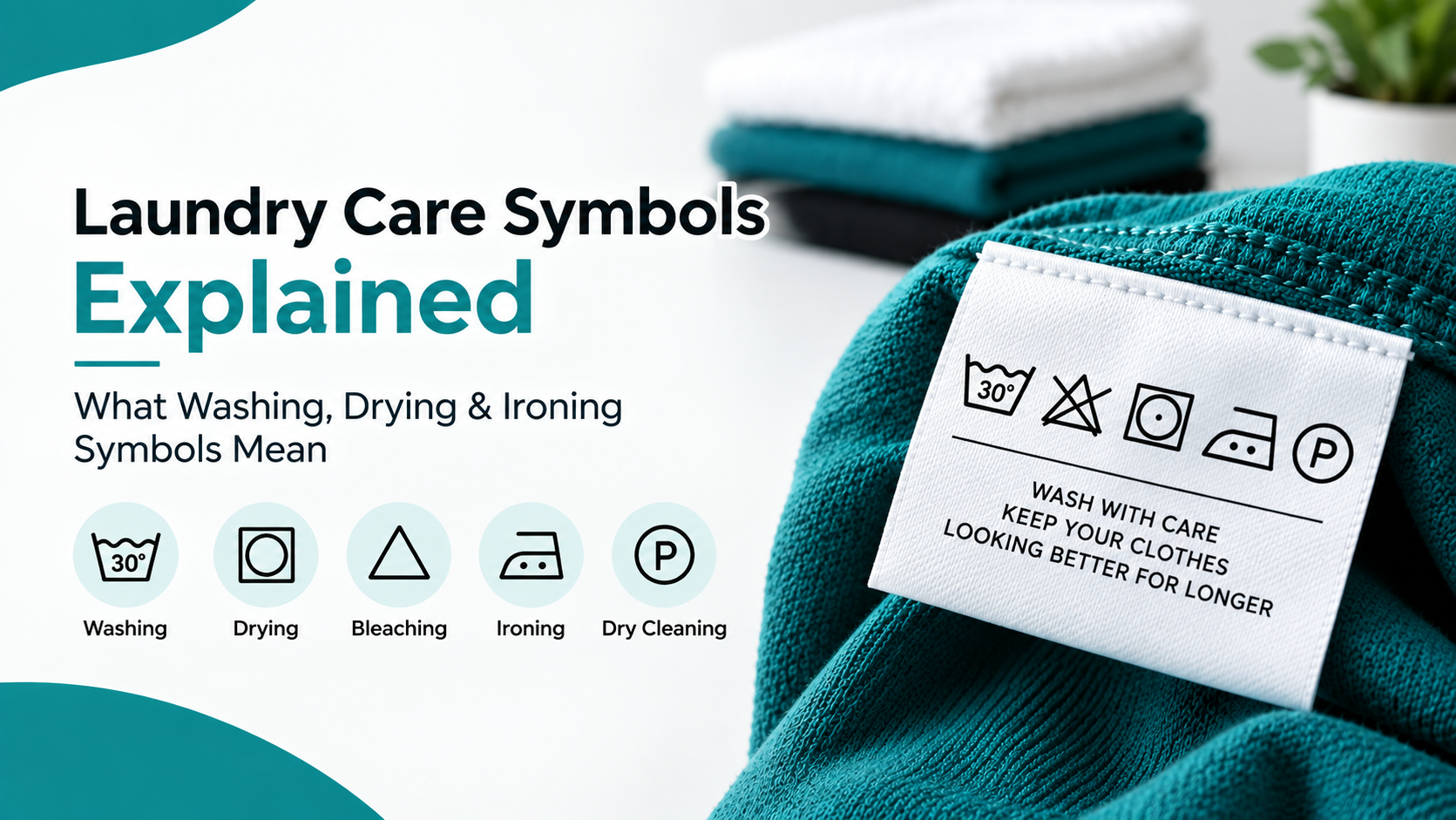
Laundry Care Symbols Explained: What Washing, Drying & Ironing Symbols Mean
Confused by the symbols on your clothing labels? Learn what washing, drying, bleaching, ironing and dry-cleaning symbols mean, and how following care labels can help protect your clothes from damage.
Sep 24, 2026
Laundry Pickup and Delivery: A Simple Guide to Hassle-Free Laundry
Discover how laundry pickup and delivery services can save time, simplify your routine, and keep your clothes fresh and professionally cleaned.
Sep 22, 2026
Got a Laundry Shop but Still Not Getting Enough Orders? Here’s What You’re Missing
Running a laundry shop but still struggling to get enough orders? Discover why good laundry businesses often remain dependent on walk-ins and referrals, and how digital customer access can help laundry owners find new opportunities and grow their business.
Sep 19, 2026