


Not Every Garment Needs the Same Kind of Cleaning
Have you ever looked at a pile of laundry and wondered whether everything can go into the washing machine together? Or whether a favourite shirt, formal outfit or delicate garment needs special care? Choosing the right laundry service is about more than getting clothes clean. It also means understanding the fabric, checking the care label and deciding whether washing, ironing or specialist cleaning is appropriate. The three options people commonly consider are regular washing, wash and iron, and dry cleaning. Although they all help care for garments, they are not interchangeable. This guide explains the differences, when each option may be suitable, and how to make laundry day easier with LaunderGo. If you want to understand how to select a suitable provider, read our complete guide to choosing the best laundry service for your clothes.What Is the Difference Between Washing, Wash & Iron, and Dry Cleaning?
The main difference is the treatment your garments receive.- Washing: Suitable for many everyday garments that can be cleaned using water and an appropriate detergent.
- Wash and Iron: Combines washing with ironing or pressing, where the service is offered, so garments are cleaned and finished for use.
- Dry Cleaning: Uses specialised cleaning solvents rather than a conventional water-based washing process. It may be suitable for certain delicate or structured garments, depending on their care labels and the cleaner's assessment.
1. Regular Washing: For Everyday Laundry
Regular washing is a practical option for many garments worn as part of your daily routine. Depending on their care instructions, this may include T-shirts, casual trousers, nightwear, everyday tops and other washable items. When should you consider regular washing?- Your garment's care label permits water-based washing.
- You need to clean everyday clothing worn during normal activities.
- You want to maintain a regular laundry routine.
- The fabric and colour can be safely handled using the recommended washing method.
Check the Care Label
Look for the recommended washing temperature, whether machine washing is allowed, and any instructions about bleaching or drying. When a label says to hand wash or dry clean, do not automatically treat the item like ordinary machine-washable laundry.Separate Colours and Fabrics
Separate whites, dark colours and items likely to release dye. Heavy fabrics, delicate items and lint-producing garments may also need different treatment.Treat Stains Carefully
Avoid aggressively rubbing stains, particularly on delicate fabrics. Some stains become harder to remove after exposure to heat, so mention any important stains when arranging professional cleaning. You can also read our practical guides on removing oil and grease stains and removing turmeric stains from clothes.2. Wash & Iron: When You Want Clean, Presentable Clothes
Wash and iron combines garment washing with ironing or pressing, where available. It can be a convenient choice when you want your clothes cleaned and finished without handling each step yourself. For example, you might prefer wash and iron for suitable office wear, everyday shirts, trousers or other garments that benefit from a neat finish. Wash and iron may be a good choice when:- You want your clothes washed and ironed as part of one service.
- You regularly wear garments that need a presentable finish.
- You want to reduce the time spent washing and ironing at home.
- Your garments' care labels permit the washing and finishing methods offered.
3. Dry Cleaning: For Garments That Need Specialised Care
Dry cleaning is a professional cleaning method that uses specialised solvents instead of a conventional water-based washing process. Despite its name, some dry-cleaning processes may also involve moisture or other finishing treatments. It can be appropriate for some structured garments, formal wear, certain delicate fabrics and items whose care labels specify dry cleaning. When might dry cleaning be worth considering?- Your garment's care label specifies dry cleaning.
- The garment has structured elements, such as certain suit jackets or tailored pieces.
- The fabric or construction requires a specialised cleaning process.
- You are unsure whether ordinary washing could damage the garment.
- Point out visible stains and explain what caused them, if known.
- Tell the cleaner about previous stain-treatment attempts.
- Identify delicate trims, buttons, embellishments or other areas of concern.
- Confirm the recommended treatment and any applicable charges.
How to Choose the Right Laundry Service
If you are unsure which option to select, use these simple guidelines as a starting point.For Everyday T-Shirts and Casual Clothes
Regular washing may be suitable when the care label permits it. Check the fabric, colours and washing instructions before selecting a service.For Suitable Office Shirts and Trousers
Wash and iron can be convenient when the garment can be safely washed and benefits from ironing or pressing.For Suits and Structured Formal Wear
Check the care label carefully. Some tailored garments are suitable for dry cleaning, while others may have different requirements. Ask a professional if you are unsure.For Delicate or Embellished Garments
Do not assume that delicate clothing must always be dry cleaned. Different fabrics and finishes require different treatments. Follow the care label and seek a professional assessment when needed.For Stubborn or Unknown Stains
Tell the cleaner what caused the stain, if you know. Oil, ink, food and other stains may require different treatments. Avoid applying random chemicals or excessive heat before the garment has been assessed.Common Laundry Mistakes You Should Avoid
Even with professional laundry services, a few simple habits can help you take better care of your clothes.- Ignoring care labels: The wrong washing temperature or treatment may damage fabric or alter its shape.
- Mixing all colours together: Dye transfer can affect lighter garments.
- Using excessive heat: High temperatures can damage some fabrics, prints and elastic components.
- Scrubbing every stain aggressively: Excessive rubbing can damage fibres or spread a stain.
- Assuming dry cleaning is suitable for everything: The right method depends on the specific garment.
- Forgetting to mention special concerns: Tell your laundry service about stains, delicate details or previous treatment attempts.
How LaunderGo Makes Laundry More Convenient
Choosing a suitable cleaning method is one part of laundry care. Arranging pickup and fitting the process into your day is another. LaunderGo helps customers arrange laundry pickup without needing to make a separate trip to a laundry shop when pickup is available for their booking. Here is how you can make the process easier:Arrange Pickup Around Your Routine
Prepare your laundry, provide the correct pickup details and choose from the available booking options. LaunderGo's published service information describes an express pickup option within approximately 10–20 minutes for small loads, subject to availability and service area. Check the current booking details before relying on a particular pickup time. Learn more about how the process works in our guide to laundry pickup and delivery. You can also read about LaunderGo Express and Standard Laundry options to understand how to plan your order.Choose a Suitable Service
Review the services available for your order. Depending on the garment and the services offered, you may be able to select washing, wash and iron, dry cleaning or another suitable option.Share Important Garment Instructions
If a garment has a stain, delicate trim or special care requirement, communicate it when placing the order or handing it over. Clear instructions help the service provider assess the garment appropriately.Check Turnaround Time Before Booking
Pickup time and cleaning turnaround time are different. An express pickup does not necessarily mean that cleaning and delivery will also be completed within the same short window. Review the estimated completion time and applicable charges before confirming your order.Make a Better Choice for Your Next Laundry Order
The right laundry service depends on what you are cleaning. Regular washing works for many everyday garments, wash and iron is useful when you want clean clothes with a neat finish, and dry cleaning may be appropriate for garments that require specialised care. Start by checking the care label, considering the fabric and explaining any stains or special requirements. If you are unsure, ask a professional before choosing a treatment. When you are ready to make laundry day simpler, visit LaunderGo to explore available services and pickup options. Choose the service that suits your garments and confirm the details before booking. If you have questions about available services or your booking, visit our Frequently Asked Questions page or contact the LaunderGo team.Frequently Asked Questions
Related articles

Need Laundry Pickup Fast? Choose LaunderGo Express or Standard Laundry
Busy day? Last-minute plans? Or simply want to get your laundry taken care of without the hassle? LaunderGo makes laundry more convenient with pickup designed around a 20-minute commitment and Express and Standard service options to suit different needs. Learn how to choose the right option for your next laundry order.
Oct 27, 2026
How to Keep Clothes Clean During Delhi NCR Pollution Season: Dust Removal and Laundry Care Tips
Dust, pollution and changing weather can make everyday laundry more challenging in Delhi NCR. Learn how to remove dust from clothes, reduce unwanted odours, choose the right washing method and protect delicate fabrics. Discover practical laundry care tips for homes and working professionals in Noida, Delhi and Gurgaon.
Oct 21, 2026
Online Laundry Services Near Me in Noida, Delhi & Gurgaon: Home Pickup and Dry Cleaning Guide
Looking for online laundry services near you in Noida, Delhi or Gurgaon? Discover how home pickup and delivery, wash and iron, wash and fold, and professional dry cleaning can simplify your routine. Explore what to check when choosing a laundry service in Noida Sector 62, Sector 63 and nearby Delhi NCR locations.
Oct 19, 2026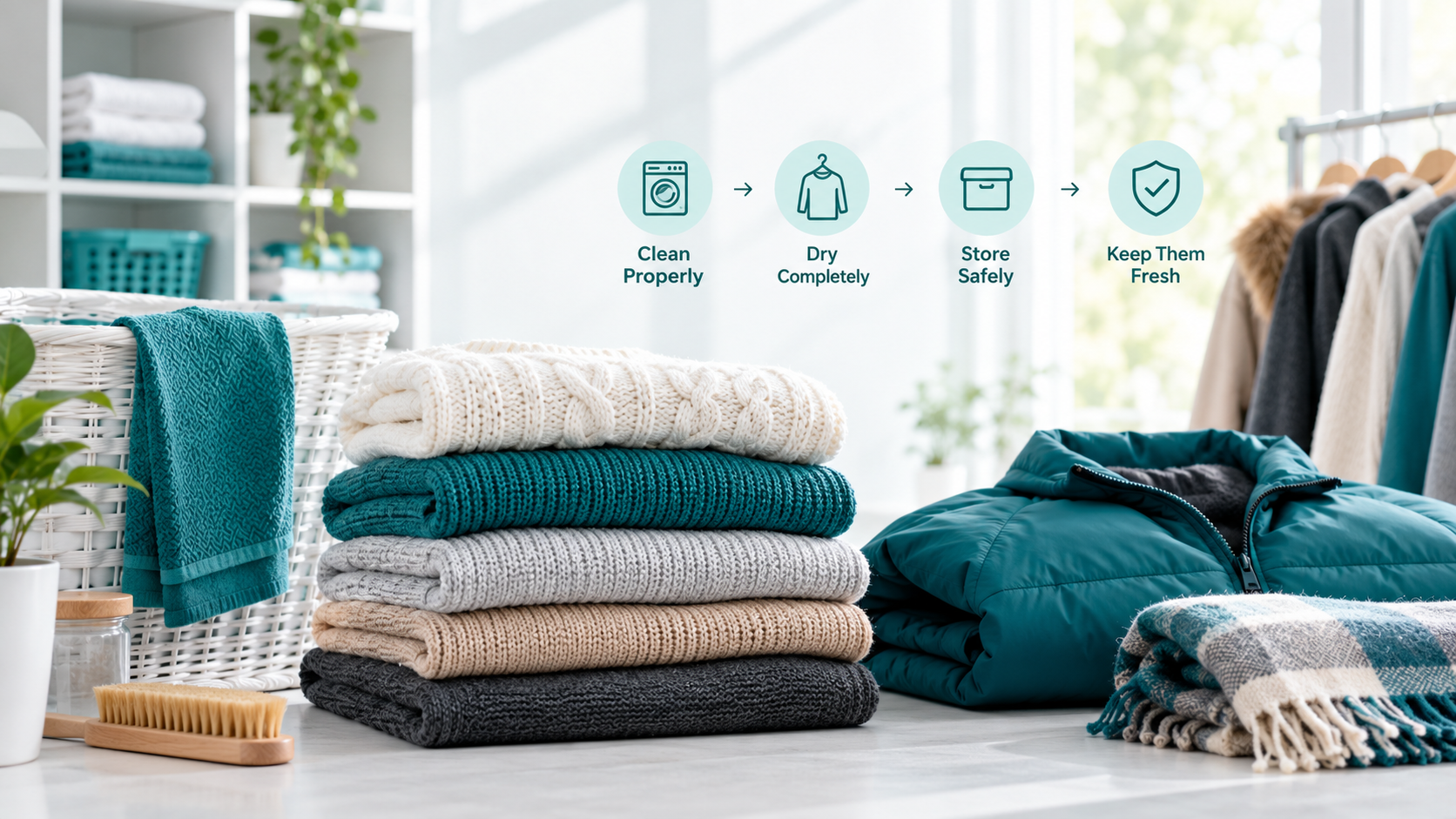
How to Wash and Store Winter Clothes: 10 Tips to Keep Them Fresh
Learn how to wash and store winter clothes properly to prevent unpleasant odours, dust, fabric damage and musty smells. Discover practical tips for cleaning sweaters, woollens, jackets, shawls and blankets before storing them, plus advice on choosing the right washing method for different fabrics.
Oct 18, 2026