

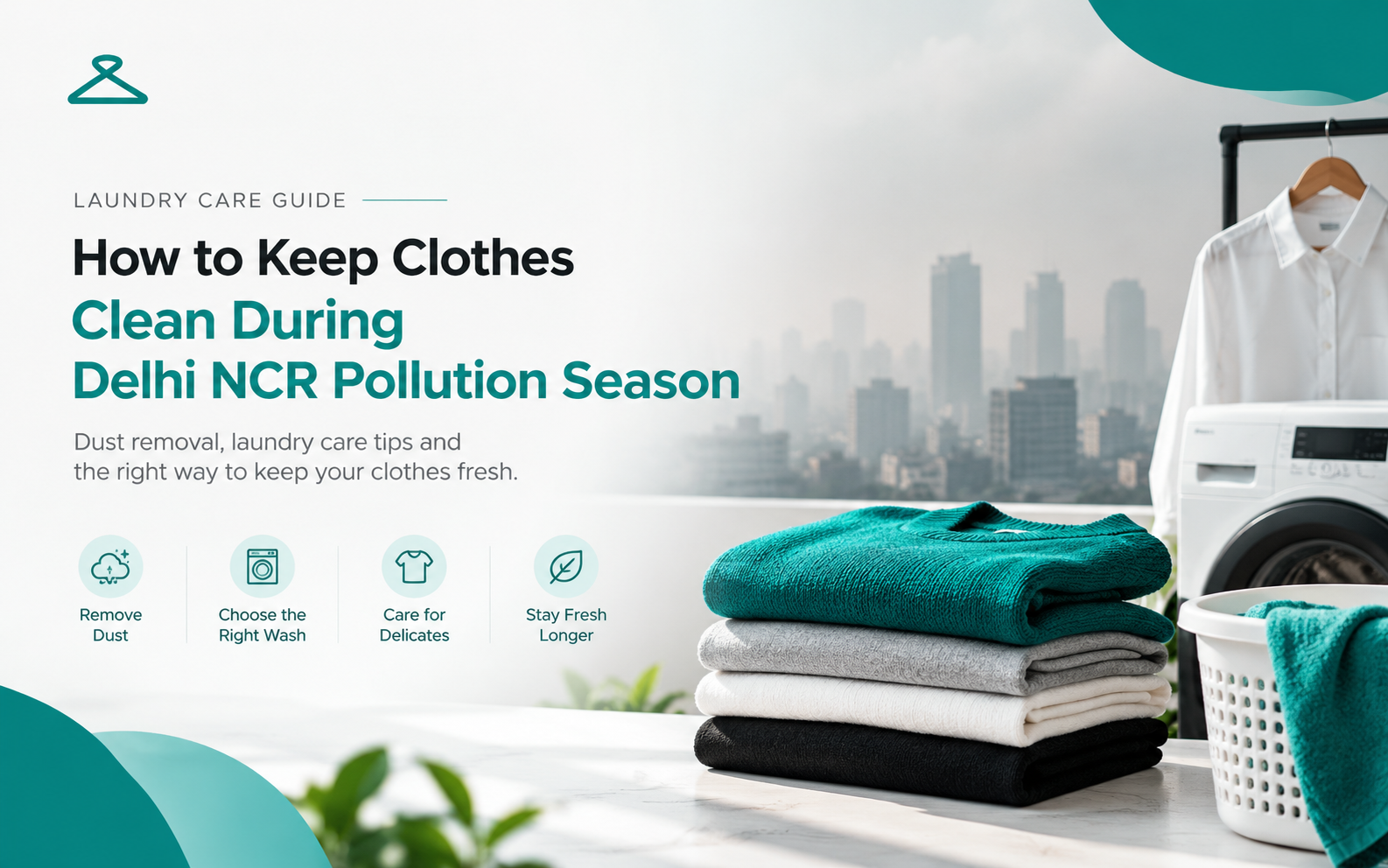
How to Keep Clothes Clean During Delhi NCR Pollution Season
During the autumn and winter months, dust and air pollution can become a regular concern across Delhi NCR. Clothes worn outdoors may collect dust, fine particles and everyday grime, especially if you commute to work, travel by public transport or spend long hours outside.
Simply hanging clothes in a room or giving them a quick shake may not be enough to remove all the dirt they have collected. At the same time, washing every garment after a single use is not always necessary. The right approach depends on the fabric, how long you wore it, how dirty it is and the instructions on its care label.
In this guide, we explain how to remove dust from clothes, prevent unwanted odours, choose suitable washing methods and keep your wardrobe fresh during pollution season.
If you need help managing your regular laundry, explore LaunderGo and check the store locator for listed service locations.
Why Do Clothes Get Dirty Faster During Pollution Season?
Clothes can collect dust and outdoor grime during daily activities. Roadside travel, construction work, crowded public transport and time spent outdoors can expose garments to different kinds of dirt and particles.
Several factors can affect how clean your clothes remain throughout the day:
- Outdoor commuting: Shirts, trousers, jackets and scarves can collect dust during travel.
- Traffic and roadside exposure: Garments worn near busy roads may accumulate everyday grime.
- Changing weather: Cooler weather can make clothes take longer to dry if ventilation is poor.
- Indoor dust: Clothes stored uncovered or left on furniture can collect household dust.
- Sweat and body oils: These can mix with dirt and contribute to unpleasant odours around collars, cuffs and underarms.
Not every garment needs the same cleaning routine. A shirt worn throughout a busy day may need washing, while a lightly worn jacket may only need airing or spot cleaning if its care instructions allow it.
How to Remove Dust from Clothes Without Damaging Them
Before washing a garment, remove loose dirt using a method suitable for its fabric. This can help prevent unnecessary handling and make the cleaning process more effective.
1. Brush Off Loose Dust
For suitable fabrics, use a clean, soft clothes brush to remove loose dust from the surface. Brush gently and follow the direction recommended for the fabric, especially when dealing with wool coats, blazers and other structured garments.
Avoid aggressive brushing on delicate fabrics, loose embroidery or garments with embellishments. When in doubt, check the care label or ask a professional cleaner.
2. Check Pockets, Cuffs and Collars
Dust and dirt can accumulate around cuffs, collars, hems and pockets. Check these areas before putting clothes in the washing machine. Remove items from pockets and inspect the garment for visible stains.
For washable shirts, you can pre-treat suitable stains using a fabric-appropriate product according to its instructions. Avoid scrubbing delicate fabrics aggressively, as this can damage fibres or affect the colour.
3. Shake Out Clothes Carefully Outdoors
For washable everyday garments, gently shaking out loose dust before washing may help remove some surface dirt. Avoid vigorous shaking, particularly indoors, where loose dust can spread to nearby surfaces.
Do not rely on shaking alone to clean a garment that is visibly dirty or has absorbed sweat and body oils.
4. Follow the Garment's Care Label
Before washing, check the care label for water temperature, washing restrictions, drying instructions and ironing guidance. Cotton shirts, synthetic sportswear, wool garments and delicate occasion wear may require different treatment.
For more guidance, read our article on laundry care symbols and what they mean.
Should You Wash Clothes After Every Day Outdoors?
There is no single washing frequency that works for every garment. The decision depends on the type of clothing, how long it was worn, the amount of dirt or sweat it collected and the manufacturer's care instructions.
Use these general guidelines as a starting point:
- Undergarments and heavily sweat-soaked clothing: Usually wash after each wear.
- Everyday T-shirts and shirts: Wash after wearing when they have collected sweat, visible dirt or noticeable odour.
- Trousers and jeans: Assess their condition, usage and fabric before deciding whether they need washing.
- Jackets and coats: Air them when appropriate and clean them according to their care labels.
- Scarves and frequently handled accessories: Check for visible dirt and follow the recommended cleaning method.
These are practical starting points rather than strict rules. If a garment is visibly soiled or has an unpleasant smell, clean it using a suitable method instead of relying only on the number of times it has been worn.
For a more detailed breakdown, read how often you should wash clothes based on fabric and usage.
How to Wash Clothes That Collect Dust and Outdoor Grime
When clothes need a full wash, a few simple steps can help you clean them without unnecessary wear and tear.
Separate Clothes by Colour and Fabric
Separate whites, dark colours and garments that may release colour during washing. Keep delicate items apart from heavier garments with zippers or rough surfaces that could cause friction.
Learn more about colour bleeding and how to avoid it.
Use the Right Amount of Detergent
Using more detergent does not automatically make clothes cleaner. Excess detergent may leave residue, particularly when the washing machine is overloaded or the rinse cycle is insufficient.
Follow the detergent manufacturer's dosage instructions and adjust for the load size, water conditions and soil level where the product instructions allow.
For additional advice, read how much detergent to use in a washing machine.
Avoid Overloading the Washing Machine
Clothes need sufficient room to move during washing. Overloading can reduce cleaning performance and make rinsing less effective.
Follow your machine's load recommendations and choose a suitable cycle for the garments being washed.
Dry Clothes Completely
After washing, dry garments thoroughly before folding or storing them. Damp clothes left in a pile can develop unpleasant odours. Choose a drying method appropriate for the fabric, and provide adequate airflow where possible.
During cooler weather, avoid storing garments simply because their surfaces feel dry. Check thicker areas such as waistbands, pockets and seams before putting clothes away.
How to Prevent Bad Smells in Winter Laundry
Clothes may develop unwanted odours when sweat, body oils, detergent residue or moisture remain in the fabric. Cooler weather and poor ventilation can also make drying more difficult.
Try these practical steps:
- Do not leave damp clothes in the washing machine for extended periods after a cycle finishes.
- Dry garments in a well-ventilated area whenever possible.
- Avoid placing wet clothes too close together on a drying rack.
- Clean your washing machine according to its manufacturer's maintenance instructions.
- Store clothes only after they are completely dry.
- Wash towels and other frequently used household textiles according to their care instructions.
If your clothes smell musty even after washing, review the drying process, machine cleanliness and detergent dosage before repeating the wash.
You can also read our practical guide on drying clothes indoors without unpleasant smells.
Can You Wash Jackets, Woollens and Delicate Clothes at Home?
Not every garment should be treated like a regular cotton T-shirt. Winter clothing may contain wool, structured linings, leather details, padding, delicate decorations or materials that need specialised care.
Woollen Sweaters
Check the care label before washing a woollen sweater. Some garments can be hand-washed or machine-washed on a suitable wool cycle, while others require professional cleaning. Avoid high temperatures and rough handling where the label advises against them.
Blazers and Structured Jackets
Blazers and structured jackets may have linings and internal components that can lose their shape with unsuitable washing. Check the care label and consider professional cleaning when recommended.
Heavy Winter Coats
Coats can take longer to dry because of their thickness and construction. Follow the manufacturer's cleaning and drying instructions, and do not store a coat while it is still damp.
Delicate or Embellished Garments
Garments with embroidery, sequins, delicate trims or special finishes may need individual assessment. Avoid experimenting with strong cleaning products or vigorous scrubbing.
For more detailed guidance, see our guide to washing and storing winter clothes.
When Should You Look for Dry Cleaners Near Me?
If a garment is labelled for professional dry cleaning, has a delicate construction or contains a stain that you are unsure how to treat, looking for reliable dry cleaners near me may be a sensible option.
Professional cleaning can be useful for certain coats, suits, structured jackets and occasion wear. However, the appropriate method depends on the garment's care label, fabric and condition.
Before handing over your clothes, ask the provider:
- Which cleaning method is suitable for the garment?
- What is the price for each item?
- How long will the service take?
- Are pickup and delivery available at your address?
- How are existing stains, damage and special instructions recorded?
For more information, explore how to choose a laundry, dry-cleaning or shoe-cleaning service near you.
Home Laundry Pickup in Noida, Delhi and Gurgaon
Keeping up with laundry can become difficult when you have a busy work schedule, long commute or limited time for household tasks. A home pickup laundry service can make the process more convenient when the provider covers your location.
If you are looking for online laundry services near me, compare the available services and confirm the exact pickup arrangements before booking.
Laundry Services in Noida
Residents and professionals in Noida may need regular washing and ironing for everyday clothing, as well as specialised care for winter garments. If you live in Noida Sector 62, Sector 63 or a nearby locality, confirm whether the provider covers your exact address.
Laundry Services in Delhi
For customers in Delhi, check the available cleaning options, pickup schedules, minimum order requirements and delivery conditions. Service coverage can vary from one locality to another.
Laundry Services in Gurgaon
If you live or work in Gurgaon, check whether collection is available at your residential society or preferred address. Confirm the expected turnaround time before handing over clothes you need for work or travel.
Visit the LaunderGo store locator to explore listed locations. You can also visit laundergo.in to learn more about the platform.
Availability, pricing, collection schedules and turnaround times depend on the service provider and location. Always confirm the latest details before placing an order.
How LaunderGo Can Help with Your Laundry Routine
LaunderGo is a digital platform designed to help people explore laundry and cleaning services more conveniently. For people managing regular laundry alongside work, study or family responsibilities, a service that supports their location can reduce the effort involved in arranging garment care.
Before choosing a service, identify the garments you need cleaned, check whether they require ordinary washing or specialised care, and confirm the provider's available options.
Start here:
- Visit LaunderGo to explore the platform.
- Check the store locator for listed locations.
- Read frequently asked questions about the platform.
- Contact LaunderGo if you need help with an enquiry.
Check the current service availability, pricing and pickup conditions for your address before booking.
Conclusion
Dust, outdoor grime and changing weather can make laundry more challenging during Delhi NCR's autumn and winter months. A few simple habits can help: remove loose dust carefully, separate garments appropriately, use the right detergent amount, follow care labels and dry clothes completely before storing them.
For coats, woollens, structured jackets and delicate garments, check the care instructions before attempting to clean them at home. Professional cleaning may be appropriate when a garment requires specialised care.
If you want to simplify your regular laundry routine, explore LaunderGo and check the store locator for listed service locations and available options.
Frequently Asked Questions
Related articles

Online Laundry Services Near Me in Noida, Delhi & Gurgaon: Home Pickup and Dry Cleaning Guide
Looking for online laundry services near you in Noida, Delhi or Gurgaon? Discover how home pickup and delivery, wash and iron, wash and fold, and professional dry cleaning can simplify your routine. Explore what to check when choosing a laundry service in Noida Sector 62, Sector 63 and nearby Delhi NCR locations.
Oct 19, 2026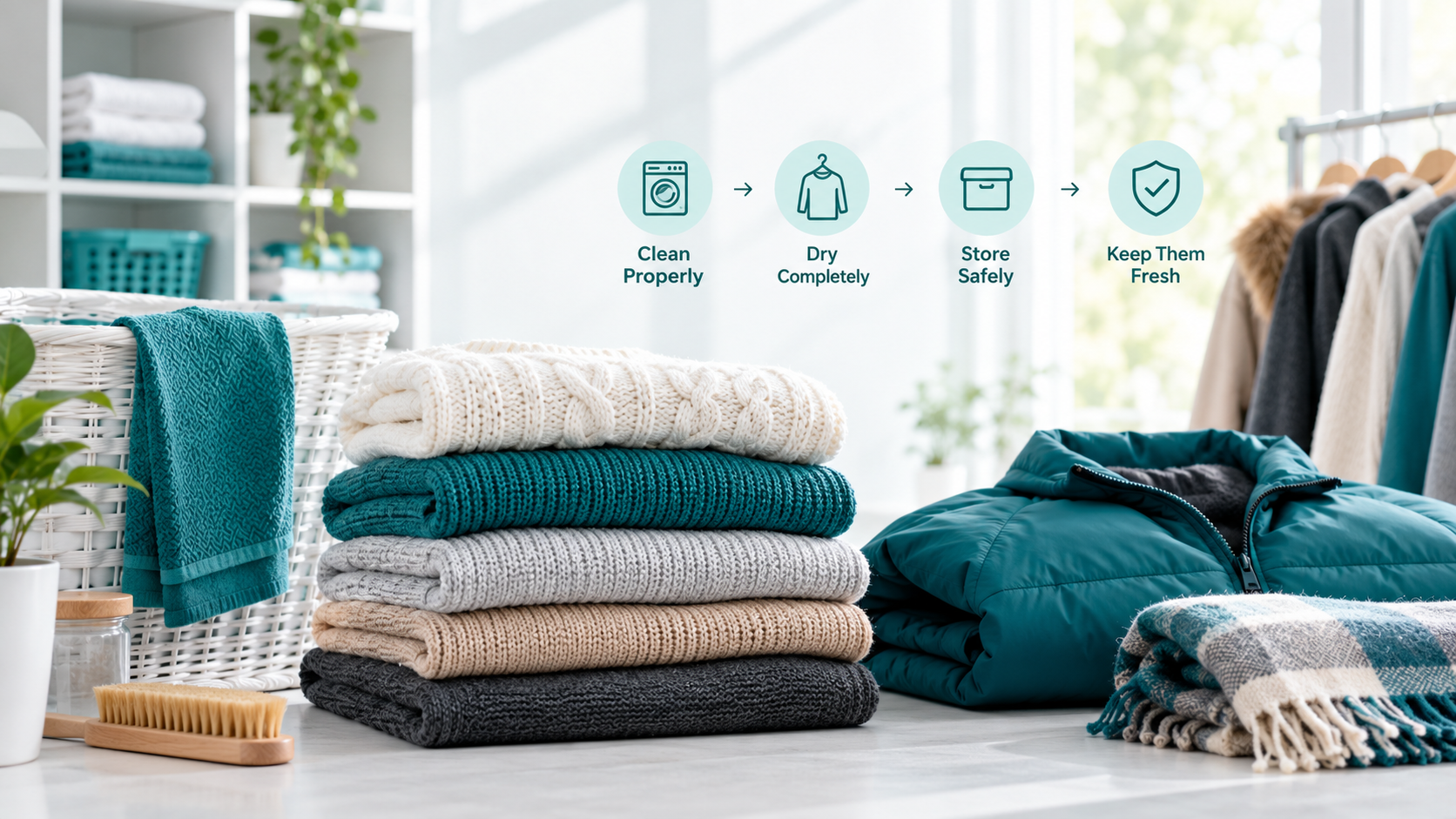
How to Wash and Store Winter Clothes: 10 Tips to Keep Them Fresh
Learn how to wash and store winter clothes properly to prevent unpleasant odours, dust, fabric damage and musty smells. Discover practical tips for cleaning sweaters, woollens, jackets, shawls and blankets before storing them, plus advice on choosing the right washing method for different fabrics.
Oct 18, 2026
How Digital Platforms Help Laundry Businesses Get More Customers and Grow
Discover how digital platforms can help laundry businesses attract customers, manage orders, improve operational efficiency and build a stronger local presence. Learn how laundry shop owners and dry cleaners can use technology to simplify daily operations, reduce manual work and explore new growth opportunities with platforms such as LaunderGo.
Oct 17, 2026
Laundry Quality Control Checklist: 7 Things to Check Before Returning Clothes to Customers
A clean garment should also be checked before it reaches the customer. Discover 7 practical quality control checks for laundry businesses, from stain inspection and garment counting to finishing, packaging and final order verification. This checklist can help laundry teams reduce avoidable mistakes and deliver a more consistent customer experience.
Oct 14, 2026