

Introduction
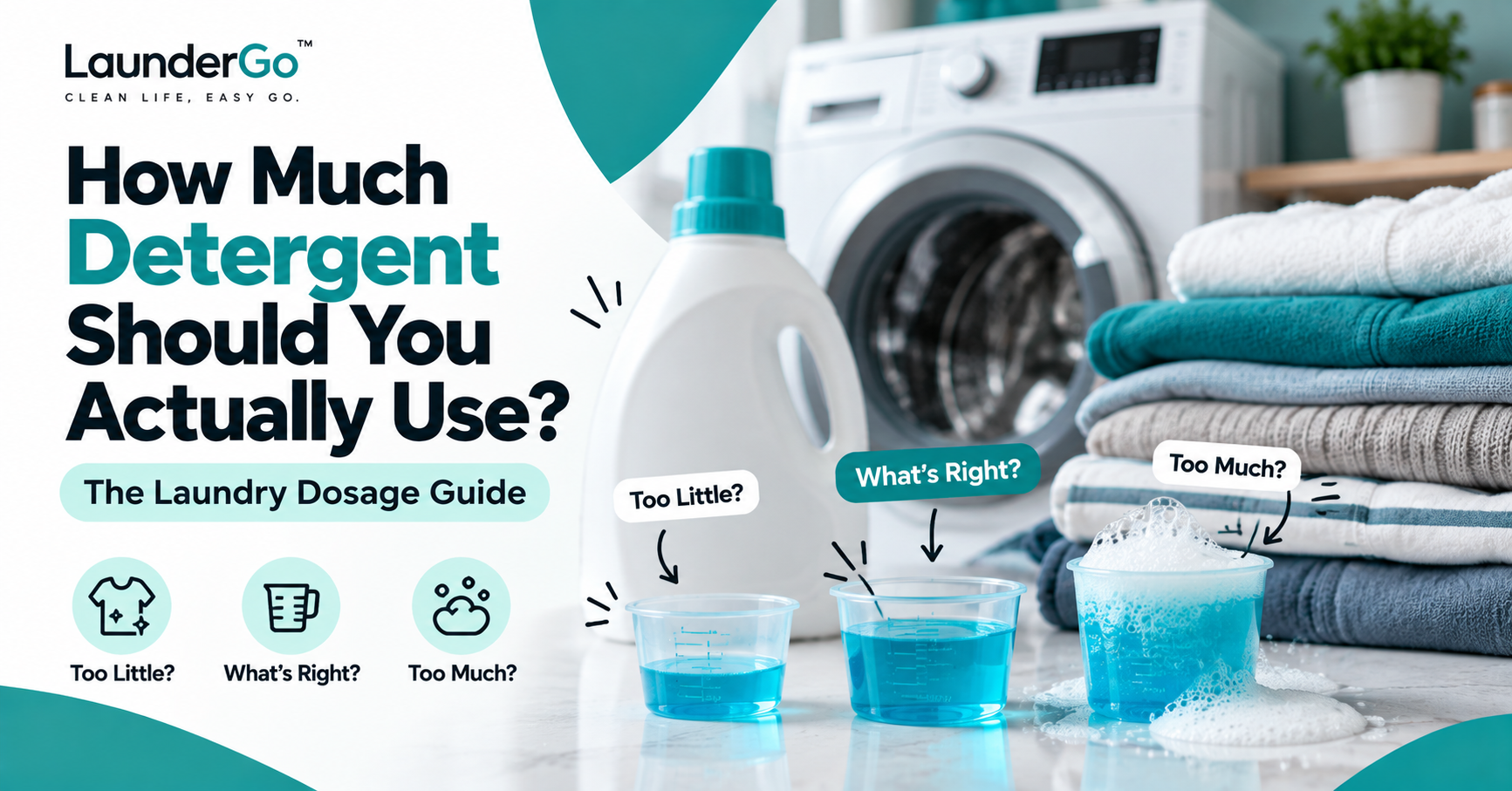
How much detergent do you actually need when doing laundry? If you usually pour detergent into the washing machine until it "looks like enough", you are not alone. Many people assume that more detergent means cleaner clothes. But using too much detergent can leave residue on fabrics, make rinsing more difficult and contribute to detergent buildup inside the washing machine. At the same time, using too little detergent may not remove dirt, sweat and oils effectively. So, what is the right amount? The answer depends on your detergent, washing machine, load size, level of soiling and even the hardness of your water. In this guide, we explain how much detergent to use, the signs that you are using too much and how to get better laundry results without wasting detergent.Quick Answer: How Much Detergent Should You Use?
There is no single amount that works for every washing machine and detergent. As a general starting point, follow the dosage instructions printed on your detergent packaging and adjust according to:- Size of the laundry load
- Type of washing machine
- How dirty the clothes are
- Water hardness
- Type and concentration of detergent
Why Does the Amount of Detergent Matter?
Detergent needs to be present in the right concentration to help remove dirt, sweat, oils and stains. But more detergent does not automatically mean better cleaning. Too much detergent can create excessive foam or leave detergent behind on fabrics, especially when the machine cannot rinse the load effectively. Too little detergent, on the other hand, may leave clothes looking dull or not completely clean. The goal is simple: Use enough detergent for the load, but avoid adding more than the manufacturer recommends.How Much Detergent Should You Use for Different Loads?
The amount you need should change with the size and condition of the load.1. Small Laundry Load
A small load generally needs less detergent than a full load. If your machine is only partially filled with lightly soiled clothes, follow the small-load dosage marked on your detergent packaging. Adding the full-load quantity to a small load simply increases the amount of detergent that needs to be rinsed away.2. Medium or Regular Load
For an everyday load containing normally soiled clothes, use the standard dosage recommended on the detergent pack. Many detergent manufacturers provide a specific measurement for a medium load. For example, Tide India suggests around 60 ml of liquid detergent for a medium load, although the appropriate quantity can vary by product and formulation. :chatgpt-content-reference{index="2"}3. Large Load
A larger load may require more detergent than a small or medium load. However, do not automatically fill the detergent compartment to the maximum level just because the drum is full. Check the detergent manufacturer's instructions for the appropriate large-load quantity. Also make sure the machine itself is not overloaded. A washing machine needs enough space for clothes, water and detergent to circulate properly.4. Heavily Soiled Clothes
Very dirty clothes may require a different approach. Instead of simply adding a large amount of detergent, consider:- Pre-treating visible stains.
- Choosing an appropriate wash cycle.
- Using the temperature recommended for the fabric.
- Following the detergent instructions for heavily soiled loads.
Does the Type of Washing Machine Change the Amount?
Yes. Front-load and top-load washing machines can use different amounts of water and different detergent formulations. Front-load machines generally use less water, so using a detergent designed for front-load or high-efficiency washing can help control suds and improve rinsing. Some manufacturers provide specific dosage recommendations for front-load and top-load machines. Always check whether your detergent is designed for your type of washing machine before using it.Liquid vs Powder Detergent: Does the Quantity Change?
Yes. Liquid and powder detergents can have different concentrations, so you should not assume that one scoop of powder is equivalent to one capful of liquid detergent.Liquid Detergent
Use the measuring cap or dosing instructions provided with the product. Do not estimate the quantity by simply pouring detergent directly into the machine.Powder Detergent
Use the measuring scoop supplied with the detergent whenever possible. Follow the markings on the scoop rather than filling it completely for every wash.Detergent Pods
Pods are already pre-measured, so follow the instructions on the packaging based on your load size and soil level. Do not cut, open or manually measure the contents of a detergent pod.What Happens If You Use Too Much Detergent?
Using too much detergent is one of the most common laundry mistakes. Here are some signs that you may be overusing it.1. White Residue on Clothes
If you regularly notice powdery or slippery residue on your clothes after washing, excessive detergent could be one possible cause.2. Clothes Feel Stiff or Sticky
Instead of feeling fresh and clean, clothes may sometimes feel stiff, coated or slightly sticky when too much detergent remains on the fabric.3. Too Many Suds
Excessive foam does not necessarily mean that your clothes are getting cleaner. Too much detergent can interfere with the washing and rinsing process, particularly in machines designed to use less water. :chatgpt-content-reference{index="3"}4. Your Washing Machine Develops Buildup
Repeatedly using excessive detergent can contribute to detergent deposits inside the machine. Over time, buildup can affect parts of the washer and contribute to unpleasant smells or maintenance problems. :chatgpt-content-reference{index="4"}5. Clothes Still Do Not Feel Clean
This may sound surprising, but more detergent can sometimes make the laundry experience worse. If excessive foam or residue prevents proper rinsing, dirt and detergent can remain trapped in the fabric.What Happens If You Use Too Little Detergent?
Using too little detergent can also create problems. You may notice:- Clothes still look dirty after washing.
- Sweat and body odour remain on fabrics.
- White clothes gradually look dull or grey.
- Heavy stains are not removed properly.
- Towels and frequently washed fabrics do not feel fresh.
Does Hard Water Mean You Need More Detergent?
Water hardness can affect laundry performance. Hard water contains minerals such as calcium and magnesium, which can interfere with cleaning and contribute to mineral or detergent residue. This can be particularly relevant in parts of Delhi NCR where water hardness varies by location and water source. However, adding large amounts of detergent is not always the best solution. Instead:- Follow the detergent manufacturer's dosage guidance.
- Consider your water hardness.
- Avoid overloading the washing machine.
- Use a suitable water-softening product if appropriate.
- Clean and maintain your washing machine regularly.
How to Measure Laundry Detergent Correctly
You do not need to guess every time you do laundry. Follow this simple routine:- Check the detergent packaging.
- Identify the recommended quantity for your machine type.
- Estimate the size of your laundry load.
- Check whether the clothes are lightly, normally or heavily soiled.
- Measure the detergent using the supplied cap or scoop.
- Add it to the correct detergent compartment.
- Start the appropriate wash cycle.
5 Detergent Mistakes You Should Avoid
1. Filling the Cap Completely Every Time
The cap is a measuring tool, not a signal that it should always be filled to the top. Use the dosage markings and product instructions.2. Adding Extra Detergent for Better Smell
A stronger detergent smell does not necessarily mean cleaner clothes. If you want fresher laundry, focus on proper washing, rinsing and drying rather than simply increasing the detergent quantity.3. Using the Wrong Detergent for Your Machine
Always check whether the detergent is designed for front-load, top-load or semi-automatic machines.4. Adding More Detergent When Clothes Are Stained
For stubborn stains, pre-treatment may be more useful than simply increasing the detergent dose.5. Ignoring the Detergent Instructions
Detergent formulas vary. The dosage for one brand or product may not be appropriate for another. Always check the packaging before changing your usual quantity.How to Get Cleaner Clothes Without Using More Detergent
If your clothes are not coming out as clean as expected, try improving your washing routine instead of immediately adding more detergent.- Do not overload the washing machine.
- Separate heavily soiled clothes from lightly soiled loads.
- Pre-treat stubborn stains.
- Choose the correct wash cycle.
- Use the appropriate water temperature for the fabric.
- Clean the washing machine regularly.
- Use the recommended detergent quantity.
- Remove clothes promptly after the cycle finishes.
When Should You Consider Professional Laundry Care?
Not every garment should be treated like everyday machine-washable clothing. Professional laundry or dry-cleaning services can be useful for:- Delicate fabrics
- Formal shirts and trousers
- Premium garments
- Wedding and occasion wear
- Heavily stained clothing
- Garments with special care instructions
- Large laundry loads when you do not have time to manage them yourself
How LaunderGo Helps With Everyday Laundry
Sometimes the biggest laundry problem is not knowing how much detergent to use. It is finding the time to do the laundry properly. LaunderGo connects customers with local laundry and cleaning professionals, making it easier to manage everyday clothing care. Depending on your location and available services, you can explore options such as laundry, dry cleaning, ironing and other cleaning services. Instead of spending your time sorting, washing, drying and finishing every load yourself, professional laundry care can take some of that work off your hands. Visit LaunderGo to explore available services in your area.Detergent Tips for Homes in Delhi NCR
Laundry conditions can vary from one home to another. Water hardness, washing machine type, detergent formulation, weather and the type of clothes you wear can all affect your laundry routine. For households in Delhi NCR, particularly those dealing with hard water, detergent residue or frequent washing, using the correct dosage is an important part of maintaining clothes. Rather than assuming that more detergent means better cleaning, pay attention to how your clothes look and feel after washing. If you regularly notice stiffness, residue, unpleasant odour or clothes that do not feel properly clean, review your detergent quantity and washing routine.Final Thoughts
The right amount of detergent is not necessarily the biggest amount you can fit into the measuring cap. Using too much can leave residue, create excessive suds and contribute to buildup, while using too little may not clean clothes effectively. The best approach is simple: Check the detergent instructions, consider your load size and soil level, use the correct detergent for your machine and avoid adding extra detergent just because you want cleaner clothes. Good laundry care is not about using more products. It is about using them correctly. And when laundry starts taking too much of your time, professional laundry services can make everyday clothing care much easier. With LaunderGo, you can explore laundry and cleaning services available in your area and spend less time worrying about laundry day.Frequently Asked Questions
Related articles

Is Your Washing Machine Ruining Your Clothes? 10 Mistakes You Might Be Making
Is your washing machine damaging your clothes? Learn about 10 common laundry mistakes that can cause fading, shrinking, stretching, holes and fabric damage, and how to protect your clothes while washing.
Sep 25, 2026
Are You Charging Too Little for Laundry? 7 Signs Your Pricing Is Hurting Your Business
Are you getting orders but still wondering where the money goes? Your laundry pricing may be lower than you think. Here are 7 signs that your pricing strategy could be hurting your laundry business and what to consider before changing your rates.
Sep 25, 2026
Laundry Care Symbols Explained: What Washing, Drying & Ironing Symbols Mean
Confused by the symbols on your clothing labels? Learn what washing, drying, bleaching, ironing and dry-cleaning symbols mean, and how following care labels can help protect your clothes from damage.
Sep 24, 2026
Laundry Pickup and Delivery: A Simple Guide to Hassle-Free Laundry
Discover how laundry pickup and delivery services can save time, simplify your routine, and keep your clothes fresh and professionally cleaned.
Sep 22, 2026