


How often should you wash your clothes? It sounds like a simple question, but the answer depends on what you are wearing, how long you wear it, how much you sweat, the fabric, the weather, and even how the garment is being used.
Washing clothes too frequently can cause unnecessary wear, fading and fabric damage, while waiting too long can allow sweat, body oils, odour and stains to build up.
The goal is not to wash everything after every single use. It is to understand which clothes need frequent washing and which garments can safely be worn a few times before cleaning.
In this guide, we explain how often you should wash different types of clothes and when professional laundry care can make more sense.
How Often Should You Wash Clothes?
There is no single rule that works for every garment. A good laundry routine depends on factors such as:
- How close the clothing is to your skin
- How much you sweat while wearing it
- Whether you wore it indoors or outdoors
- The weather and humidity
- The fabric of the garment
- Whether the garment has visible stains or odour
- How long you wore the clothing
Clothes worn directly against the skin generally need more frequent washing than outer layers such as jackets, sweaters or coats.
How Often Should You Wash Everyday Clothes?
T-Shirts and Casual Tops
T-shirts are usually worn directly against the skin, which means they can absorb sweat, body oils and odour.
For most everyday use, T-shirts should generally be washed after each wear, especially during hot or humid weather or after physical activity.
Shirts and Formal Wear
Shirts can usually be washed after one or two wears depending on how long they were worn, how much you perspired and whether the shirt was worn directly against the skin.
If you notice sweat, body odour, visible marks or stains, it is better to clean the shirt before wearing it again. You can also learn more about how to remove sweat stains and odour from shirts.
Jeans and Trousers
Jeans and trousers usually do not need to be washed after every wear unless they are visibly dirty, sweaty or stained.
Washing them too frequently can contribute to faster fading and fabric wear. If the garment still feels fresh and clean, airing it out between wears may be sufficient.
Underwear and Socks
Underwear and socks should generally be washed after every use because they remain in close contact with the skin and absorb sweat and moisture.
How Often Should You Wash Bedsheets and Towels?
Bedsheets
Bedsheets collect sweat, skin oils, dust and other particles while you sleep. A regular washing routine can help keep your bedding fresh and comfortable.
For most households, washing bedsheets approximately once a week is a practical routine. You may need to wash them more frequently if you sweat heavily, have allergies, or use them in particularly hot weather.
Towels
Bath towels should be allowed to dry completely between uses and washed regularly. A towel that remains damp for long periods can develop an unpleasant smell.
Frequent washing is particularly important when towels are shared or are not drying properly between uses.
How Often Should You Wash Sweaters, Jackets and Outerwear?
Outer layers generally do not need to be washed after every use because they have less direct contact with the skin.
Instead, check the garment for visible dirt, stains, sweat or odour before deciding when it needs cleaning.
However, different fabrics require different cleaning methods. Wool, cashmere, structured jackets and other delicate garments may require specialised care rather than a regular washing cycle.
When Should You Wash Clothes Immediately?
Sometimes the number of wears does not matter. Certain situations mean the garment should be cleaned before being worn again.
Wash or professionally clean a garment if:
- It has visible stains
- It has noticeable sweat or body odour
- It has been exposed to heavy dust or dirt
- You wore it during intense physical activity
- It became damp and developed a musty smell
- It came into contact with food, oil or other substances
Leaving stains untreated for too long can make them more difficult to remove later.
Does the Fabric Change How Often Clothes Should Be Washed?
Yes. Fabric type can have a major impact on how a garment should be cleaned.
Cotton
Cotton is commonly used for everyday clothing and can generally be washed regularly. Always check the care label for the recommended washing temperature and method.
Wool and Cashmere
Wool and cashmere require more careful handling. Frequent washing may not be necessary, but when cleaning is required, the garment should be treated according to its care instructions.
Silk and Delicate Fabrics
Silk and other delicate fabrics may require specialised cleaning methods. Avoid treating them like regular everyday laundry unless the care label specifically allows it.
Denim
Denim generally does not need to be washed after every wear. When it does need cleaning, following the garment's care instructions can help preserve its colour and shape.
Why Over-Washing Your Clothes Can Be a Problem
Keeping clothes clean is important, but washing them unnecessarily frequently can also affect their appearance and lifespan.
Repeated washing can contribute to:
- Fading of colours
- Fabric wear
- Loss of shape
- Damage to delicate materials
- Unnecessary water and detergent usage
The better approach is to wash clothes according to their usage, fabric and actual cleaning needs.
Why Under-Washing Clothes Can Also Be a Problem
On the other hand, delaying cleaning for too long can allow sweat, oils, stains and odour to build up.
This can make garments harder to clean and may affect how fresh they feel.
For items such as shirts, T-shirts, underwear, socks and heavily used sportswear, regular cleaning is particularly important.
When Should You Choose Professional Laundry Service?
Not every garment needs professional cleaning. Everyday clothes that are suitable for machine washing can often be handled at home.
However, professional laundry or dry cleaning can be useful when you are dealing with:
- Delicate or premium garments
- Formal wear
- Wedding and occasion wear
- Difficult or set-in stains
- Large quantities of laundry
- Clothes requiring professional ironing or finishing
- Garments with specific care requirements
A professional service can also be a convenient option when your schedule makes regular washing, drying, ironing and folding difficult to manage. For more guidance, see our complete guide to choosing the best laundry service for your clothes.
How LaunderGo Makes Laundry More Convenient
Knowing when to wash your clothes is only one part of managing laundry. The bigger challenge is often finding the time to wash, dry, iron, fold and properly care for everything.
LaunderGo is designed to make professional laundry and cleaning more convenient by connecting customers with cleaning professionals through a digital platform.
Depending on service availability in your area, customers can access services such as wash and fold, wash and iron, dry cleaning, steam ironing, express laundry and shoe cleaning.
With doorstep pickup and delivery, the objective is simple: make professional cleaning easier to access without requiring customers to spend their time visiting a laundry shop.
A Simple Laundry Routine to Follow
If you want to make laundry easier, start with a simple system:
- Separate everyday clothes from delicate garments.
- Check clothing labels before washing.
- Treat visible stains as early as possible.
- Do not overload the washing machine.
- Dry clothes properly before storing them.
- Avoid washing garments unnecessarily frequently.
- Use professional cleaning for garments that require specialised care.
This simple approach can help keep your clothes fresher while also reducing unnecessary wear.
Final Thoughts
There is no universal rule that says every item of clothing must be washed after exactly one wear. The right washing frequency depends on the garment, fabric, weather, activity level and how the clothing was used.
Wash clothes that are close to the skin more frequently, give outerwear more flexibility, and always pay attention to stains, sweat, odour and care labels.
And when laundry starts taking too much of your time, professional laundry services can make the process significantly more convenient.
With LaunderGo, customers can explore laundry and professional cleaning services, schedule pickup where available, and get their cleaned items delivered back to their doorstep.
Less time managing laundry. More time for what matters.
Frequently Asked Questions
Related articles

How Much Detergent Should You Actually Use in a Washing Machine?
Using too much detergent does not necessarily make clothes cleaner. Learn how much detergent to use based on load size, washing machine type, water hardness and how dirty your clothes are.
Sep 27, 2026
Is Your Washing Machine Ruining Your Clothes? 10 Mistakes You Might Be Making
Is your washing machine damaging your clothes? Learn about 10 common laundry mistakes that can cause fading, shrinking, stretching, holes and fabric damage, and how to protect your clothes while washing.
Sep 25, 2026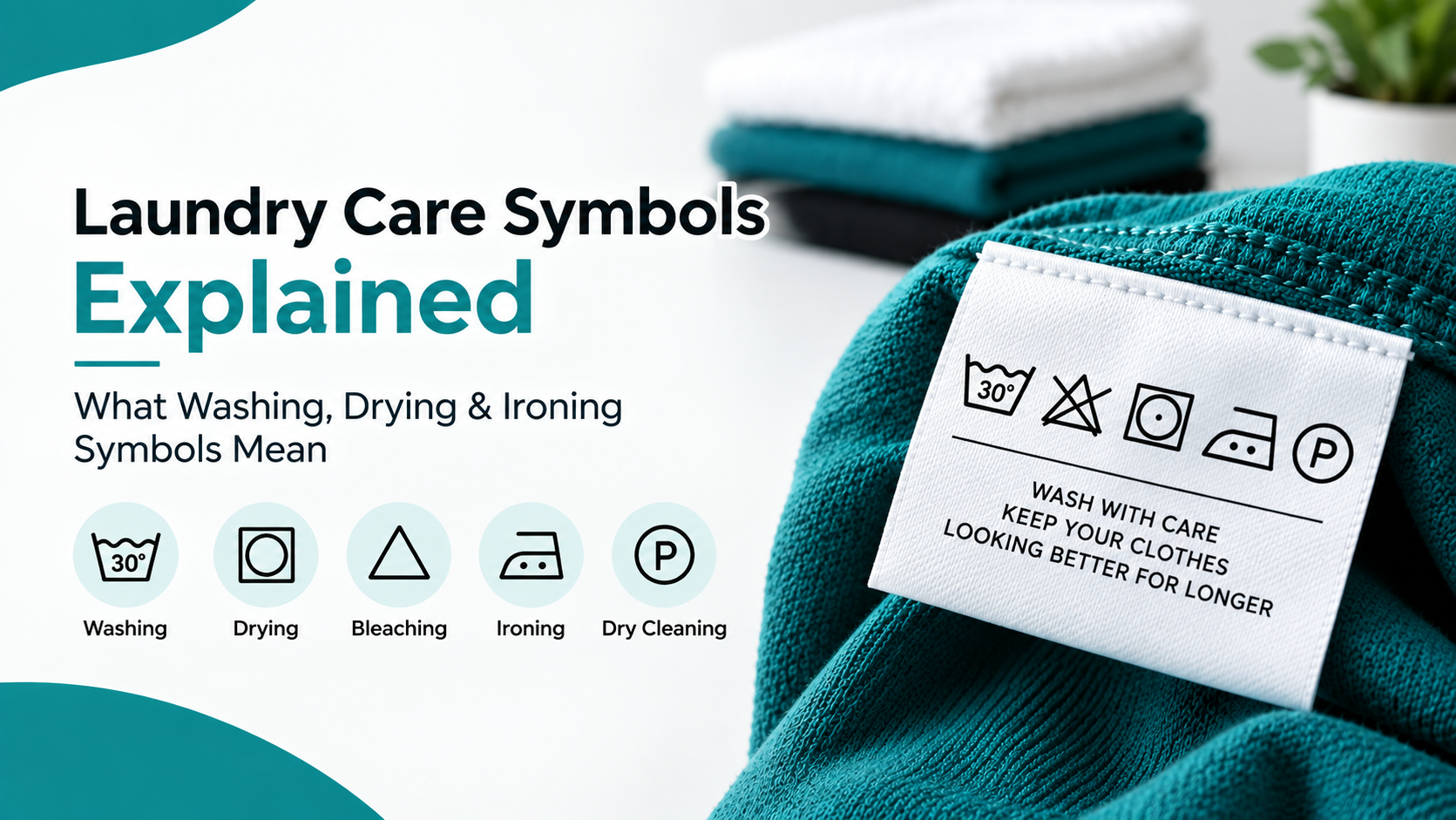
Laundry Care Symbols Explained: What Washing, Drying & Ironing Symbols Mean
Confused by the symbols on your clothing labels? Learn what washing, drying, bleaching, ironing and dry-cleaning symbols mean, and how following care labels can help protect your clothes from damage.
Sep 24, 2026
Laundry Pickup and Delivery: A Simple Guide to Hassle-Free Laundry
Discover how laundry pickup and delivery services can save time, simplify your routine, and keep your clothes fresh and professionally cleaned.
Sep 22, 2026