

Introduction
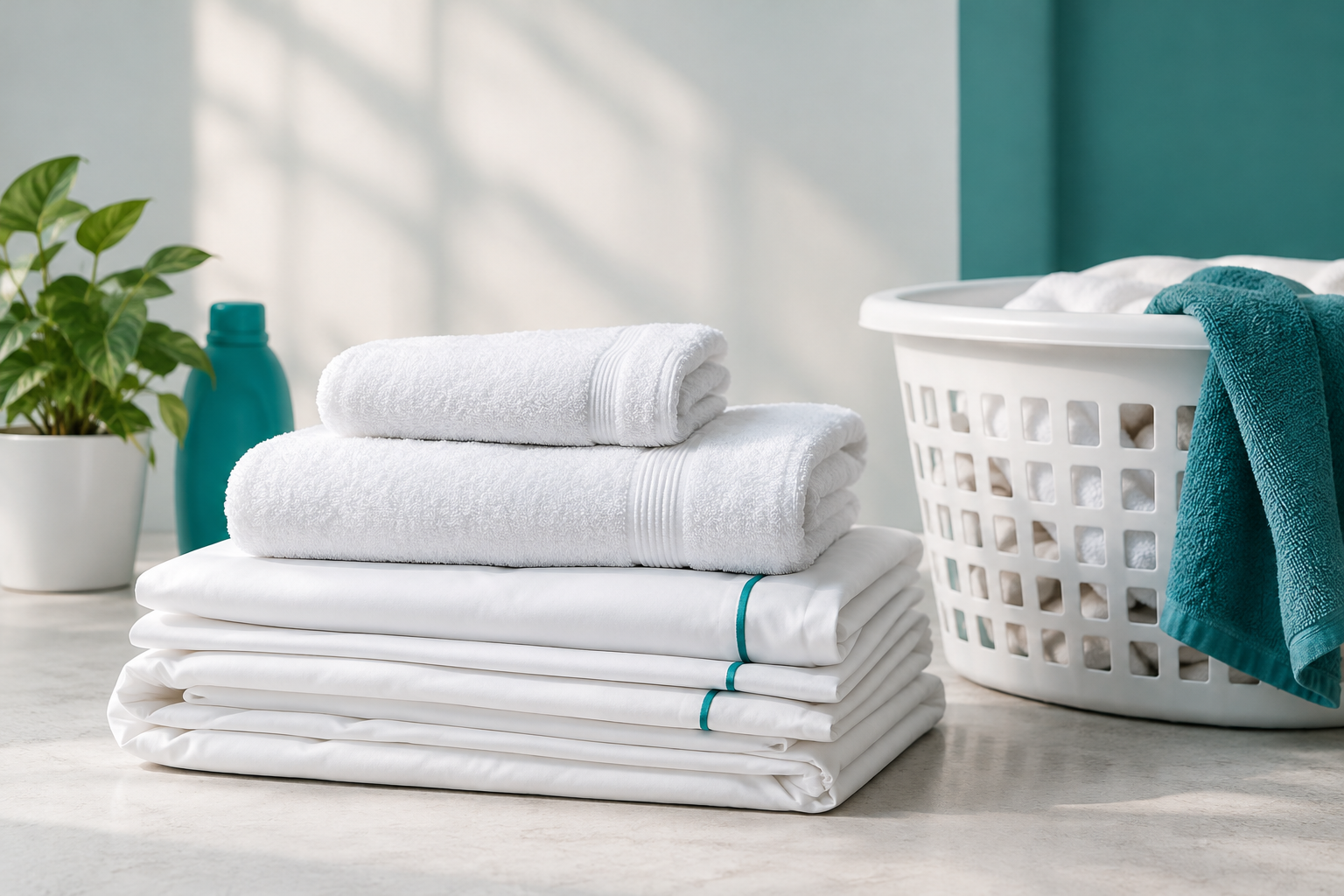
Clean clothes are important, but laundry hygiene goes beyond making fabrics look fresh and smell pleasant. Towels, bedsheets, pillowcases and frequently used clothing can accumulate sweat, body oils, skin particles, dirt and microorganisms during everyday use. Washing these items properly helps remove soil, reduce unpleasant odours and maintain a cleaner home environment.
In Indian households, factors such as humid weather, monsoon conditions, shared accommodation, frequent use of towels and limited drying space can make laundry care more challenging. Fortunately, a few practical habits can make a significant difference without requiring expensive detergents or unnecessary disinfectants.
This guide explains how to wash towels and bedsheets hygienically, choose suitable washing temperatures, dry laundry completely and store clean fabrics correctly.
What Is Laundry Hygiene?
Laundry hygiene refers to the practices used to clean, handle, dry and store clothing and household fabrics in ways that remove dirt and help reduce the spread of germs.
A hygienic laundry routine includes using an appropriate detergent, selecting a suitable washing cycle, avoiding overloading the washing machine, drying fabrics completely and keeping clean laundry separate from used items.
According to the Centers for Disease Control and Prevention (CDC), laundry should be washed with detergent at the recommended water temperature and dried completely. Additional disinfection may be appropriate in certain situations, such as when someone in the household is sick.
Why Is Proper Laundry Hygiene Important?
Regular and appropriate laundry care helps maintain personal comfort, fabric freshness and household cleanliness. It is particularly important for items that come into frequent contact with skin or absorb moisture.
1. Helps Remove Sweat and Body Oils
Towels, pillowcases, bedsheets and everyday clothing collect sweat and natural body oils. These residues can build up over time, making fabrics feel unpleasant and contributing to persistent odours. Proper washing helps remove this accumulation.
2. Reduces Unpleasant Smells
Damp fabrics that remain in a washing machine or laundry basket for extended periods can develop musty smells. Washing items appropriately and drying them thoroughly helps prevent this problem.
3. Supports Better Household Cleanliness
Frequently used fabrics can collect dirt and microorganisms through normal contact with people and the surrounding environment. Good laundry practices help reduce contamination and keep everyday household textiles cleaner.
4. Helps Maintain Fabric Quality
Using the correct detergent, washing temperature and drying method can help protect fibres, preserve colours and extend the useful life of towels, bedsheets and clothing.
How Often Should You Wash Towels and Bedsheets?
The ideal washing frequency depends on how an item is used, how much moisture it absorbs, the surrounding environment and whether it becomes visibly dirty. The following schedule is a practical starting point for ordinary household use rather than a universal health requirement.
| Item | Suggested routine | When to wash sooner |
|---|---|---|
| Bath towels | Every 3–4 uses, as a general household guideline | If they remain damp, smell musty or become visibly dirty |
| Hand towels | Every few days, depending on use | If shared frequently or used heavily |
| Bedsheets | About once a week for regular use | After spills, heavy sweating or illness when appropriate |
| Pillowcases | About once a week, or more often if needed | After heavy sweating or visible soiling |
| Kitchen towels | Frequently, depending on their use | Immediately after contamination with raw food juices or other significant messes |
| Gym clothes | After each workout | After any session that leaves them sweaty or damp |
These intervals are flexible guidelines. Wash shared towels and heavily soiled fabrics more frequently, and follow specific care instructions for items used by someone who is ill.
How to Wash Towels Properly for Better Hygiene
Towels absorb moisture and come into repeated contact with skin, so they need an effective washing and drying routine.
Step 1: Separate Towels from Other Laundry When Appropriate
Wash heavily soiled towels separately from delicate clothing. Separate heavily contaminated items from ordinary laundry when necessary, and avoid mixing towels with garments that require a very different washing cycle.
Step 2: Check the Care Label
Different towel materials tolerate different temperatures. Check the manufacturer's instructions before selecting a washing programme. Cotton towels may tolerate warmer water than some delicate or blended fabrics.
Step 3: Use the Correct Amount of Detergent
Use a suitable detergent according to the product label, load size and water conditions. Too much detergent can leave residues, while too little may not clean heavily soiled fabrics effectively.
Step 4: Avoid Overloading the Machine
Towels need sufficient room to move through the wash cycle. An overloaded drum can restrict water circulation and mechanical cleaning, leaving some items less effectively washed.
Step 5: Dry Towels Completely
After washing, promptly remove towels from the machine and dry them thoroughly. Depending on the fabric and weather, use a suitable dryer or hang them in a well-ventilated area with enough space for air circulation.
For more fabric-specific washing advice, read our guide to understanding laundry care symbols.
How to Keep Bedsheets and Pillowcases Clean
Bedsheets and pillowcases collect body oils, sweat, dust and skin particles through regular use. A consistent cleaning routine helps keep bedding fresh and comfortable.
Wash Bedding Regularly
For most households, washing bedsheets and pillowcases approximately once a week is a useful starting point. Wash them sooner if they become sweaty, visibly dirty or contaminated.
Choose a Suitable Washing Temperature
Use the warmest water temperature permitted by the fabric care label and the detergent instructions. Higher temperatures may be suitable for some cotton bedding, but delicate fabrics can require cooler cycles.
Do Not Cram Large Sheets into the Drum
Large bedsheets need enough space to circulate during washing. If your washing machine is too small for the load, wash the items separately or use a machine with an appropriate capacity.
Dry Bedding Before Folding
Ensure bedsheets and pillowcases are fully dry before folding and putting them away. Storing damp bedding can encourage musty odours and may contribute to mould growth under suitable conditions.
Keep Clean Bedding Protected
Store clean sheets in a dry, clean cupboard. Avoid placing them directly beside used towels, damp clothing or unwashed laundry.
Does Hot Water Kill All Germs in Laundry?
No single washing temperature guarantees the removal or destruction of every microorganism in every laundry load. Results depend on the fabric, detergent, washing cycle, temperature, level of contamination and drying process.
Hotter water can be useful for certain fabrics and situations, but unnecessarily high temperatures may shrink clothing, damage fibres or fade colours. Follow the care label and use an appropriate laundry product.
For ordinary household laundry, a correctly performed detergent wash followed by complete drying is an important foundation of good hygiene. When someone is ill or laundry is contaminated with body fluids, follow relevant health guidance and the instructions for suitable laundry products.
For further guidance, consult the CDC's guidance on laundry and bedding. Healthcare laundry procedures can differ from those needed in an ordinary home.
Common Laundry Hygiene Mistakes to Avoid
1. Leaving Wet Clothes Inside the Washing Machine
Leaving damp laundry in a closed machine for a prolonged period can lead to musty smells. Remove washed items promptly and dry them completely.
2. Using Too Much Detergent
Excess detergent does not automatically produce cleaner clothes. Follow the recommended dose and adjust it to the load and product instructions.
3. Sharing Personal Towels
Avoid sharing personal bath towels, especially when someone has a skin infection or another contagious condition. Give towels enough time to dry between uses.
4. Ignoring Fabric Care Labels
Incorrect temperatures and unsuitable products can damage clothing and bedding. Read care labels before using bleach, stain removers or specialised laundry additives.
5. Using Fragrance to Mask Musty Smells
Fabric fragrance and softeners may improve the smell or feel of laundry, but they do not replace proper washing and drying. If a musty odour persists, check whether the items need rewashing and whether the washing machine requires cleaning according to its manufacturer's instructions.
6. Mixing Cleaning Chemicals
Never mix bleach with ammonia, acids or other cleaning products. Dangerous fumes can result. Follow the product label and use cleaning chemicals only as directed.
Explore more practical advice in our article on common washing-machine mistakes.
Laundry Hygiene Tips for Indian Homes During the Monsoon
High humidity and limited sunlight can make drying laundry difficult during the Indian monsoon. Damp towels and bedding may develop persistent odours when moisture remains trapped in the fabric.
- Improve airflow: Leave enough space between garments and bedding when hanging them indoors.
- Use a fan or suitable dehumidifier: Better air circulation can help fabrics dry faster in humid rooms.
- Wash smaller loads: Avoid packing the washing machine too tightly, particularly when washing thick towels or large sheets.
- Check items before storing: Make sure towels and bedsheets are completely dry before folding them.
- Rewash persistently musty laundry: If an item still smells unpleasant, inspect it, wash it again using an appropriate cycle and dry it thoroughly.
- Keep laundry baskets clean: Clean the basket when needed, especially if damp clothes have been stored in it.
If indoor drying is a recurring challenge, read our guide on drying clothes indoors during the monsoon.
When Should You Consider Professional Laundry Services?
Home washing works well for many everyday garments, but some situations call for additional convenience or specialised care.
- You have a large volume of towels, bedsheets or everyday clothing to wash.
- Your work schedule leaves little time for washing, drying and folding.
- You need professional care for fabrics with specific cleaning requirements.
- You live in a hostel, shared accommodation or apartment with limited laundry facilities.
- You need a convenient way to manage recurring laundry loads.
Before choosing a laundry provider, ask how your items are sorted, which cleaning methods are suitable for your fabrics, and how clean laundry is dried, folded and packaged. If you have allergies, sensitive skin or particular hygiene concerns, communicate your requirements and ask about available options.
LaunderGo helps customers discover convenient laundry and professional cleaning options. Visit our store locator to explore available locations, or learn more about our laundry partners. Service availability and specific cleaning options may vary by location and provider.
How to Build a Simple Weekly Laundry Hygiene Routine
You do not need a complicated schedule to maintain cleaner household fabrics. Start with these simple habits:
- Collect used towels, bedding and clothing in a designated laundry basket.
- Separate items according to colour, fabric type, care instructions and level of soiling.
- Choose an appropriate washing cycle and measure detergent according to the label.
- Remove laundry promptly after the cycle finishes.
- Dry every item thoroughly before folding or storing it.
- Keep clean laundry in a dry, protected place.
- Clean the washing machine and laundry basket as recommended by their manufacturers.
For a more detailed routine based on garment type, see our guide to how often you should wash different clothes.
Conclusion
Good laundry hygiene starts with consistent habits rather than expensive products or excessive washing temperatures. Washing towels and bedding regularly, using the right amount of detergent, following fabric care labels and drying items completely can help keep everyday fabrics clean and fresh.
Pay particular attention to damp towels, shared fabrics and laundry that remains musty after washing. During humid weather, prioritise airflow and complete drying to reduce persistent odours.
If managing large laundry loads becomes difficult, professional laundry services may offer a convenient alternative. Explore LaunderGo to learn about available laundry options and make everyday fabric care easier.
Frequently Asked Questions
Related articles

Laundry Services for Students and Professionals in Noida Sector 62 & 63: What to Look For
Living in a PG, hostel or rented flat in Noida Sector 62 or 63? Finding a laundry service that fits your schedule, budget and clothing needs can make everyday life easier. Discover what to check before choosing a local laundry provider, from cleaning quality and pricing to pickup, delivery and garment care.
Oct 11, 2026
How to Remove Pet Hair from Clothes: Easy Tips That Actually Work
Pet hair sticking to your favourite clothes can be frustrating, especially on black and dark fabrics. Learn how to remove dog and cat hair using simple tools, prepare clothes before washing, reduce hair buildup in your laundry and protect delicate garments.
Oct 10, 2026
How to Remove Turmeric (Haldi) Stains from Clothes: A Step-by-Step Guide
Turmeric stains can leave stubborn yellow marks on kurtas, shirts, sarees and everyday clothes. Learn how to treat fresh and dried haldi stains, protect delicate fabrics and avoid common mistakes that can make yellow stains harder to remove.
Oct 9, 2026
How to Remove Oil and Grease Stains from Clothes: A Complete Guide
Oil and grease stains can quickly make clothes look dirty and difficult to clean. Learn how to remove fresh and old oil stains from clothes, which cleaning methods work best, common mistakes to avoid, and when professional laundry care is a better option.
Oct 8, 2026